
Congratulations 2026 Pilot Award Recipients!
The University of Washington Institute for Medical Data Science is excited to announce the winners of the 2026-27 Pilot Awards. Now in its fourth year, this initiative aims to transform medicine and enhance public health through innovative data-driven approaches. Pilot Awards furthermore serve to seed funding to stimulate research that enhances the UW real-world data from the Electronic Medical Record and other sources of patient data. Awardees were chosen from a wide range of applicants in fields such as radiology, computing, engineering, and medicine.
Pilot funding for the period of July 1, 2026 to June 30, 2027, enables investigators to obtain preliminary data in order to establish a proof of concept and go on to seek larger grants. Investigators supported by the Pilot Program are working toward improving personalized chemotherapy medication preparation, towards predicting rearrest incidents following out-of-hospital cardiac arrest, as well as approaches to safer and broader access to anti-amyloid Alzheimer’s therapy.
Continue reading to learn more about their projects and join us at next year’s IMDS Symposium, where awardees will present updates on their research over the coming months.
Please join us in congratulating our awardees!
” Individualized Prediction of Amyloid-Related Imaging Abnormalities (ARIA) for Safer and Broader Access to Anti-Amyloid Alzheimer’s Therapy“
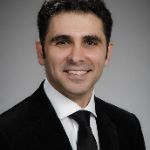
Hesamoddin Jahanian, PhD
Department of Radiology

Ali Shojaie, PhD
Department of Biostatistics

Thomas Grabowski, MD
Department of Radiology; Department of Neurology
New anti-amyloid antibody drugs are the first treatments shown to slow Alzheimer’s disease, but 20–35% of treated patients develop amyloid-related imaging abnormalities (ARIA) — brain swelling or microbleeds — and current tools predict this risk only modestly. This project will develop a machine-learning model that combines a patient’s genetics, amyloid burden, and structural brain-imaging findings with a novel measure of blood-vessel function extracted from routine MRI. By flagging high-risk patients more accurately while clearing those who are genuinely safe to treat, the work aims to make these breakthrough therapies both safer and accessible to more of the people who could benefit.
“Multimodal Biosignal Analysis for Prediction of Rearrest Following Out-of-Hospital Cardiac Arrest”
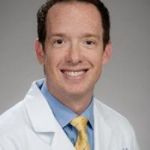
Nicholas Johnson, MD
Department of Emergency Medicine; Division of Pulmonary and Critical Care and Sleep Medicine
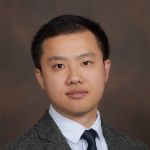
Chen Liang, PhD
Biomedical Informatics and Medical Education

Daniel To, MD
Pulmonary and Critical Care Fellow; Biomedical Informatics and Medical Education (Master's Student)
” Computer Vision to Automate Assessment of Personalized Chemotherapy Medication Preparation to Prevent Medication Errors“

Kelly Michaelsen, MD, PhD
Department of Anesthesiology and Pain Medicine

Stanley Tan, PharmD
Pharmacy Digital Solutions & Informatics Lead

Anthony Lee, MS
Research Assistant
Chemotherapy medications are the second most common class of medications associated with fatal medication errors. They typically require multiple steps for preparation under a fume hood and are tailored to each individual patient. This project uses artificial intelligence to assess images taken at each step of medication preparation and automatically identify medication names and volumes, which are then compared to the physician’s order. We aim to build an automated system which can alert pharmacists to discrepancies during medication preparation, minimizing pharmacists manual image review tasks and ultimately preventing medication errors from harming the patient.
Thank You to Our Sponsors
A big thanks to the University of Washington School of Medicine, College of Engineering and School of Public Health for their partnership on this initiative. Additionally, we extend our gratitude to the UW Provost’s Office for their funding support and the eScience Institute for sponsoring cloud computing resources for our pilot teams.



IMDS is supported by the Schools of Medicine and Public Health, the College of Engineering and the Allen School for Computer Science and Engineering